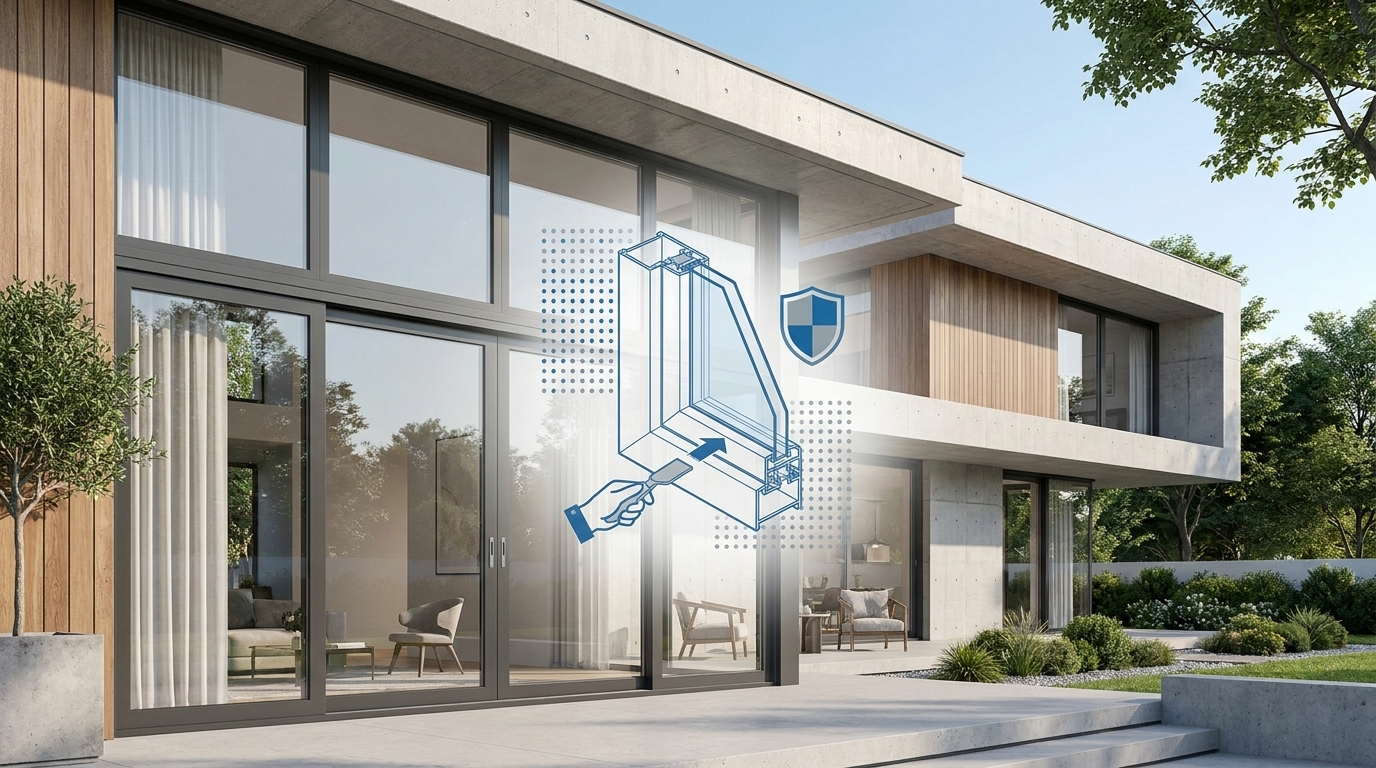
If you have spent any time researching windows online, you may have come across articles claiming that aluminium windows are easy to break into. The concern usually centres on rubber beading, the strip that holds the glass panel in place, and whether a burglar could simply clip it out from outside. It is a legitimate question, and it deserves an honest answer. Aluminium windows security is not about the material itself; it is about how the window is designed, glazed, and fitted. A well-specified aluminium window is a genuinely strong security choice. A poorly made one, in any material, is not. This guide walks you through exactly what to look for.
Table of Contents
Are Aluminium Windows Easy to Break Into?
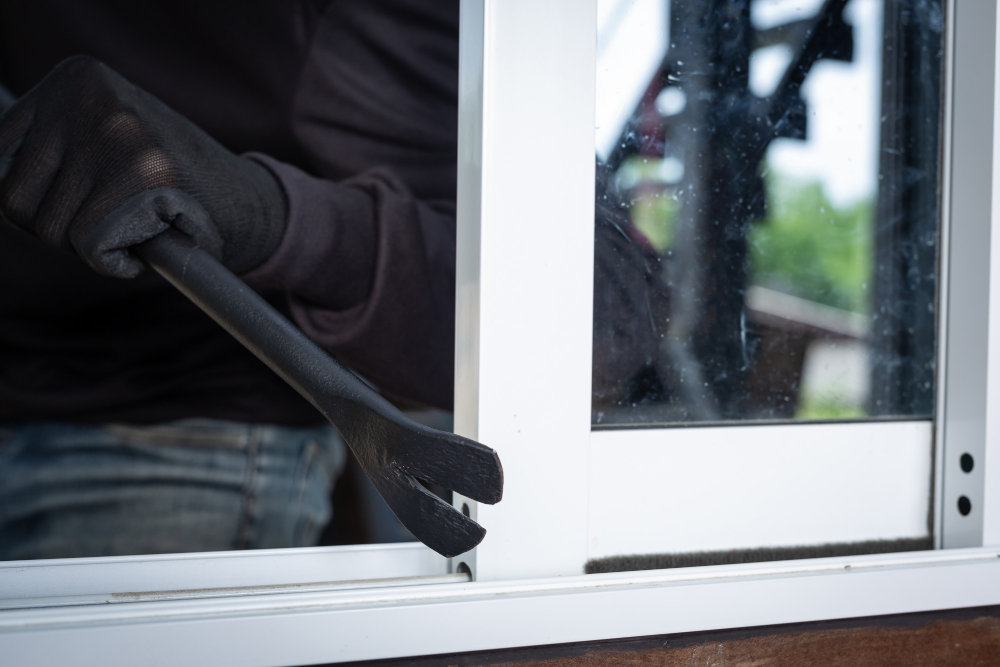
The short answer is: it depends on how they were made. The criticism about beading is not entirely wrong when applied to cheaper, externally beaded windows. In that configuration, the rubber bead that retains the glass sits on the outside face of the frame, which means someone with a flat tool could theoretically lever it out and remove the glass without breaking it. That vulnerability has nothing to do with aluminium as a material. It is a design flaw that can appear in timber and uPVC windows too.
The solution is internal glazing. When the beading is fitted from inside the building, it cannot be accessed from outside at all. Quality aluminium window systems are designed this way. Combined with the inherent strength of an extruded aluminium profile, which does not warp, swell, or weaken over time the way timber can, an internally glazed aluminium window is structurally resistant to common forced-entry methods.
Aluminium also holds fixings well, which matters for the frame anchoring into the wall reveal. A frame that cannot be flexed or pried away from its surround closes off another route of attack.
What Locks Should Aluminium Windows Have?
The lock is the most obvious security feature on any window, and it is worth asking your supplier specific questions before you commit. Not all locking systems are equal.
Cockspur and espagnolette handles
Many standard aluminium windows use a cockspur handle, a rotating lever that engages a keep on the opposite frame. It is functional, but offers only a single locking point. Espagnolette systems, by contrast, run a rod up and down the frame so that the window is secured at multiple points simultaneously. For a larger opening, that multi-point engagement makes a real difference to how much resistance the window offers.
Key-lockable handles
A key-lockable handle prevents the window from being opened even if someone reaches through broken glass or an adjacent louvre. For ground-floor rooms and any window accessible from a flat roof or balcony, this is a straightforward upgrade worth specifying from the outset.
Restrictors and stays
Window restrictors limit how far a casement or awning sash can open. They serve a ventilation function, but they also prevent a window from being pushed fully open from outside. Some restrictors are fitted with a keyed release so the window can only be opened fully from inside.
Does Laminated Glass Stop Burglars?
Standard float glass breaks into sharp shards when struck, which makes it both dangerous and easy to clear from a frame quickly. Laminated safety glass works differently. Two or more panes are bonded together with an interlayer, typically polyvinyl butyral (PVB). When the glass is broken, the interlayer holds the fragments in place. The result is a web of cracked glass that stays in the frame rather than falling away.
This matters for security because removing laminated glass from a frame requires sustained, noisy effort. The deterrent effect is significant. It is also worth noting that laminated glass offers protection beyond security: it substantially reduces the injury risk if a window is accidentally broken by a child or a strong gust carrying debris.
Inso lists laminated safety glass as an option in its window specifications, and it is one of the most practical upgrades available for any ground-floor or street-facing window. If you want to understand how glazing choices affect overall cost, the aluminium windows pricing guide sets out what different specifications look like across a range of window types.
Do Top-Hung Windows Help With Security?
Top-hung awning windows open outward from a hinge at the top, which gives them a useful security characteristic: they can be left open for ventilation while remaining very difficult to climb through. The sash swings outward and downward, creating an angle that blocks access even when the window is fully open.
For bedrooms, bathrooms, and any room where overnight ventilation matters, awning windows are often the most practical security-conscious choice. They allow fresh air without creating an opening that a person could pass through, which means you may not need to rely solely on burglar bars to ventilate a room safely at night. The awning windows page covers the available configurations in more detail.
Casement windows, which hinge at the side, offer less inherent resistance when open, but when closed and fitted with a multi-point lock they perform well. The key principle applies to both: a closed and locked aluminium window in a quality profile is a robust barrier.
Do You Still Need Burglar Bars?
In South Africa, many homeowners choose to fit burglar bars regardless of what glazing or locking system they have specified, and that is a reasonable decision. Bars create a physical barrier that no amount of glass or lock engineering fully replicates. They also provide visible deterrence, which has its own value.
That said, bars are not always the right answer for every opening. A large picture window in a formal lounge, for instance, may not suit bars aesthetically, and a first-floor window may not require them at all. The approach that works best is a layered one: start with a well-made aluminium frame, add laminated glass for ground-floor openings, specify key-lockable handles, and then consider bars or security shutters for the openings that remain most exposed.
Aluminium security shutters offer a particularly flexible solution. They can be closed when the property is unoccupied and opened fully during the day, combining security with the clean sightlines that aluminium joinery delivers. Details on that option are available on the aluminium security shutters page.
Security Checklist for Aluminium Windows
The table below summarises the key features, why each one matters, and what to ask your supplier before you sign off on a specification.
|
Feature |
Why It Matters |
What to Ask Your Supplier |
|---|---|---|
|
Internal glazing beads |
Prevents the glass from being removed from outside without breaking into the frame first |
Is the beading fitted from the inside or the outside? |
|
Laminated safety glass |
Holds together when broken, resisting rapid forced entry and reducing injury risk |
Is laminated glass available as a standard or optional specification? |
|
Key-lockable handles |
Prevents the window being opened from outside even if adjacent glass is broken |
Do the handles have a key-lock option, and is the key supplied? |
|
Multi-point locking |
Secures the sash at more than one point, increasing resistance to forcing |
Is the locking system single-point or multi-point? |
|
Frame anchorage |
A well-fixed frame cannot be pried away from the reveal |
What fixing method is used, and is it appropriate for my wall construction? |
|
Awning or top-hung configuration |
Allows ventilation without creating a climbable opening |
Can this opening be specified as a top-hung sash? |
|
Burglar bars or security shutters |
Adds a physical barrier layer independent of the glazing system |
Do you supply and fit bars or shutters to suit this frame profile? |
Bringing It All Together
The question of whether aluminium windows are safe is really a question about specification. The material itself is strong, dimensionally stable, and holds hardware reliably over many years. What determines security is how the window is designed: whether the beading is internal, what locking system is fitted, and whether the glazing is specified to resist forced entry.
A layered approach works best. Internally glazed frames, laminated glass on ground-floor openings, key-lockable handles, and awning configurations for rooms that need overnight ventilation, these choices together produce a window that is genuinely difficult to compromise quietly and quickly. That is what a burglar relies on: speed and silence. Removing either advantage removes most of the risk.
If you are specifying windows for a new build or a renovation and want to understand which configurations and glazing options suit your situation, the team at Inso can walk you through the options. You are welcome to get in touch with Inso Aluminium for guidance, or explore the full range of aluminium windows to see what is available.
Frequently Asked Questions
Are aluminium windows burglar proof?
No window can be described as entirely burglar proof, but a well-specified aluminium window with internal glazing beads, laminated glass, and a key-lockable multi-point lock is a strong deterrent. It significantly increases the time and noise required for forced entry, which is the practical measure that matters most.
Can rubber beading be clipped out of aluminium windows?
Only if the beading is fitted externally. Quality aluminium window systems use internal beading, which means the bead is only accessible from inside the building. Always confirm this with your supplier before ordering.
Is laminated glass worth the extra cost for home windows?
For ground-floor windows and any opening accessible from a roof or balcony, laminated safety glass offers a meaningful security and safety benefit. It holds together when broken rather than falling away, making rapid silent entry considerably harder. The cost difference over standard glass is modest relative to the protection it provides.
Do I need burglar bars if I have laminated glass?
Laminated glass is not a substitute for bars; it is a complementary layer. Many South African homeowners choose to retain bars on the most exposed openings while using laminated glass on windows where bars would compromise the aesthetic. Your security approach should reflect the specific risk profile of each opening.
Which window type is most secure for overnight ventilation?
Top-hung awning windows are generally the best option. They open outward from a top hinge, creating an angle that prevents access even when the window is fully open, while still allowing effective airflow through a room.