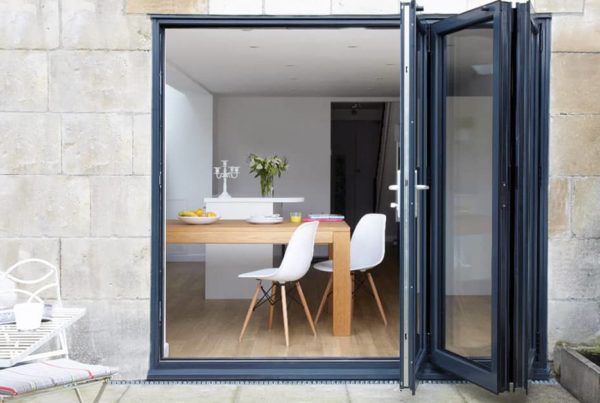
When selecting aluminium louvre doors for your home, you’re faced with an important decision: should you choose aluminium or timber? This comprehensive comparison will guide you through the key differences between these materials, helping you make an informed choice that suits your home’s aesthetic and functional requirements whilst considering South Africa’s unique climate challenges.
Louvre doors have become increasingly popular in contemporary South African homes, offering excellent ventilation, natural light control, and striking visual appeal. However, the material you choose will significantly impact your doors’ performance, longevity, and maintenance requirements over time.
Table of Contents
Understanding Louvre Door Materials
Before diving into the detailed comparison, it’s essential to understand what sets these louvre door materials apart. Both aluminium and timber offer distinct characteristics that influence their suitability for different applications and environments.
Aluminium Louvre Door Characteristics
Aluminium louvre doors feature lightweight yet robust construction with excellent corrosion resistance. The material’s inherent properties make it naturally suited to South Africa’s diverse climate conditions, from coastal humidity to inland temperature variations.
Timber Louvre Door Characteristics
Traditional timber louvre doors offer natural beauty and classic appeal. However, wood’s organic nature means it responds to environmental changes, requiring careful consideration of species selection and ongoing maintenance requirements.
Durability Comparison: Aluminium Louvre Doors vs Timber
When examining durability, the differences between these materials become particularly apparent in South African conditions.
Weather Resistance Performance
South Africa’s climate presents unique challenges for exterior building materials. Coastal areas experience high humidity and salt air, whilst inland regions face intense UV radiation and significant temperature fluctuations.
Aluminium advantages:
- Naturally corrosion-resistant, even in coastal environments
- Unaffected by moisture, preventing warping or swelling
- UV-stable powder coating maintains appearance over time
- Temperature changes don’t cause expansion or contraction issues
Timber challenges:
- Susceptible to moisture absorption and subsequent warping
- Requires regular treatment to prevent weather damage
- UV exposure can cause fading and surface deterioration
- Seasonal movement may affect door operation
Structural Integrity Over Time
Long-term structural performance varies significantly between these materials. Aluminium maintains its dimensional stability throughout its lifespan, whilst timber’s organic nature means it continues changing over time.
Quality aluminium louvre doors maintain their precise alignment and smooth operation for decades without requiring structural adjustments. Timber doors, however, may require periodic realignment as the wood responds to environmental conditions.
Maintenance Requirements and Long-term Care
The maintenance demands of your louvre doors will significantly impact your long-term satisfaction and costs.
Aluminium Maintenance Advantages
One of aluminium’s greatest strengths lies in its minimal maintenance requirements. Regular cleaning with mild detergent and water typically suffices to maintain appearance and functionality. The powder-coated finish resists fading, chalking, and corrosion without requiring reapplication.
This low-maintenance characteristic proves particularly valuable for busy homeowners or properties where regular upkeep presents challenges, such as multi-storey installations or difficult-to-access locations.
Timber Maintenance Demands
Timber louvre doors require considerably more attention to maintain their appearance and structural integrity. Regular maintenance tasks include:
- Annual inspection for signs of moisture damage or insect activity
- Periodic sanding and refinishing to maintain weather protection
- Prompt attention to any damage to prevent deterioration
- Seasonal adjustments to accommodate wood movement
These ongoing requirements represent both time investment and recurring costs that should factor into your decision-making process.
Cost Analysis: Initial Investment vs Long-term Value
Upfront Investment Considerations
Initial purchase prices for aluminium vs wood doors can vary depending on specifications, size, and design complexity. Whilst premium timber species may command higher initial costs, quality aluminium systems offer competitive pricing with superior long-term value propositions.
Lifecycle Cost Evaluation
True cost comparison requires examining total ownership expenses over the doors’ expected lifespan. This analysis should include:
- Initial purchase and installation costs
- Ongoing maintenance expenses
- Potential replacement or repair requirements
- Energy efficiency impacts
Aluminium’s minimal maintenance requirements and exceptional longevity typically result in lower total ownership costs, despite potentially comparable initial investments.
Performance in South African Climate Conditions
Coastal Environment Challenges
South Africa’s extensive coastline presents particular challenges for building materials. Salt-laden air accelerates corrosion in susceptible materials and increases moisture levels that can damage organic materials.
Aluminium’s natural corrosion resistance makes it exceptionally well-suited to coastal applications. Even direct salt spray exposure doesn’t compromise properly specified aluminium systems, ensuring reliable long-term performance.
Timber doors in coastal environments require careful species selection and enhanced protective treatments. Even with proper preparation, ongoing maintenance becomes more critical and frequent in these challenging conditions.
Inland Climate Considerations
Inland areas face different challenges, including intense UV radiation, significant temperature variations, and periodic drought conditions followed by heavy rainfall.
These conditions can cause timber to undergo repeated expansion and contraction cycles, potentially leading to warping, cracking, or joint failure over time. Aluminium remains dimensionally stable regardless of temperature fluctuations, maintaining smooth operation and weather sealing integrity.
Aesthetic Considerations for Premium Home Applications
Design Flexibility and Customisation
Modern aluminium systems offer remarkable design flexibility, accommodating various architectural styles from contemporary minimalist to traditional South African designs. Advanced powder coating technology provides extensive colour options that maintain their vibrancy over time.
Timber offers natural beauty and traditional appeal that many homeowners find attractive. However, design options may be limited by the wood’s structural properties and the need to maintain weather protection.
Integration with Contemporary Architecture
Today’s South African homes increasingly embrace clean lines, large openings, and seamless indoor-outdoor living. Aluminium louvre doors complement these design trends whilst providing the functionality modern homeowners demand.
The material’s strength allows for larger door panels with minimal framing, creating more expansive openings and unobstructed views. This capability proves particularly valuable for entertaining areas and rooms designed to maximise natural light and ventilation.
Security and Safety Considerations
Structural Security Benefits
Security considerations often influence door material selection, particularly for ground-floor applications or properties in security-conscious areas.
Aluminium’s inherent strength and the precision of modern manufacturing techniques create robust systems that resist forced entry attempts. Multi-point locking systems integrate seamlessly with aluminium frames, providing comprehensive security without compromising aesthetic appeal.
Fire Safety Performance
Fire safety represents another important consideration. Aluminium is non-combustible and doesn’t contribute to fire spread, whilst timber doors may require fire-resistant treatments for certain applications.
Environmental Impact and Sustainability
Lifecycle Environmental Considerations
Environmental consciousness increasingly influences building material choices. Both aluminium and timber present different environmental profiles that merit consideration.
Aluminium’s exceptional durability means longer service life and reduced replacement frequency. Additionally, aluminium is infinitely recyclable without quality degradation, ensuring end-of-life value and reduced environmental impact.
Timber’s renewable nature provides environmental benefits, but sustainable sourcing becomes crucial. Additionally, the ongoing maintenance requirements and shorter lifespan in challenging climates may offset some environmental advantages.
Making Your Decision: Key Factors to Consider
Selecting between these louvre door materials requires careful consideration of your specific requirements, environmental conditions, and long-term expectations.
Priority Assessment Questions
Consider these essential questions when making your decision:
- What are your maintenance preferences and capabilities?
- How important is long-term cost efficiency?
- Does your location present challenging environmental conditions?
- What aesthetic style best complements your home’s architecture?
- How important are security and safety features?
Professional Consultation Benefits
Given the complexity of factors influencing this decision, professional consultation can provide valuable insights tailored to your specific situation. Experienced suppliers can assess your requirements, environmental conditions, and design preferences to recommend the most suitable solution.
Conclusion: Why Aluminium Emerges as the Superior Choice
Whilst both materials offer certain advantages, aluminium louvre doors consistently demonstrate superior performance across the most critical evaluation criteria. The combination of exceptional durability, minimal maintenance requirements, climate resilience, and long-term value makes aluminium the logical choice for discerning South African homeowners.
The material’s ability to maintain performance and appearance in our challenging climate conditions, combined with design flexibility and security benefits, positions aluminium as the premium solution for contemporary homes.
Ready to experience the benefits of premium aluminium louvre doors? Contact Inso Aluminium today to discuss your specific requirements and discover how our expertly crafted solutions can enhance your home’s functionality, security, and aesthetic appeal. Our experienced team will guide you through the selection process, ensuring you choose the perfect doors for your unique needs and environmental conditions.