Walk down almost any street in Johannesburg’s older suburbs and you’ll see steel windows: slim frames, small panes, and often a patch of rust at the bottom corner. For decades steel was the default in South African homes. Today, most homeowners replacing or building choose aluminium instead.
So which is better for your home? This guide compares the two on cost, security, maintenance, energy efficiency, looks and lifespan, so you can decide with confidence.
Table of Contents
Aluminium vs steel windows at a glance
| Aluminium | Steel | |
|---|---|---|
| Rust resistance | Does not rust | Rusts if coating is damaged |
| Maintenance | Very low | Regular painting and rust treatment |
| Strength | Strong and lightweight | Very strong, but heavy |
| Frame profile | Slim | Very slim |
| Security | High with proper locks and glass | High frame strength |
| Energy efficiency | Good, especially with thermal breaks and double glazing | Usually single glazed in older homes |
| Design options | Wide range of styles, colours and sizes | More limited in standard ranges |
| Upfront cost | Moderate | Low for basic frames, high for premium slimline steel |
| Lifespan | 30+ years | Long, but only if well maintained |
Maintenance: aluminium’s biggest advantage
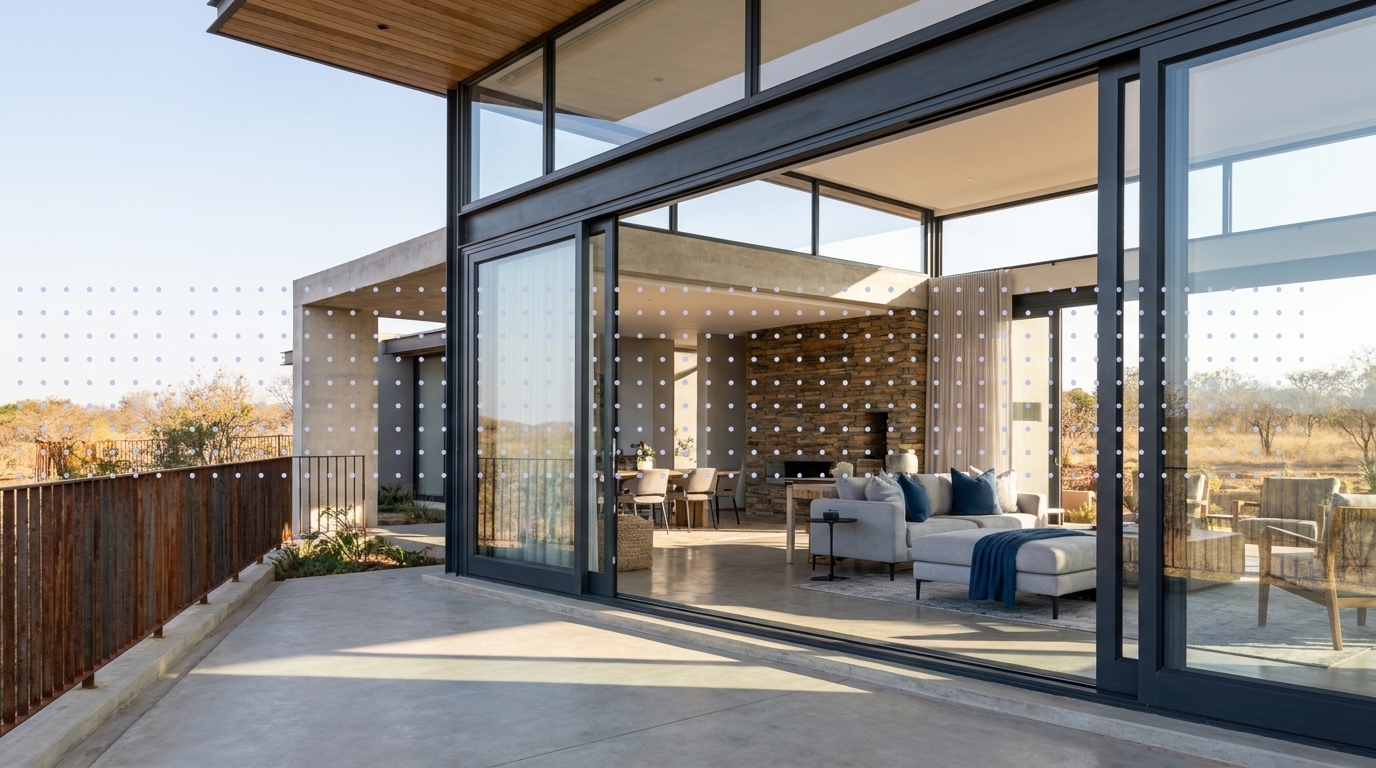
Maintenance is where the difference between the two materials is clearest.
Steel is iron-based, so it rusts once its protective paint or galvanising is chipped, scratched or worn away. In South Africa this happens fast. Highveld thunderstorms, summer humidity and condensation on the inside of cold glass in winter all give moisture a way in. Once rust starts, it spreads under the paint, swells the frame and can crack the putty holding the glass. Keeping steel windows in good shape means sanding, treating and repainting every few years.
Aluminium doesn’t rust. When exposed to air it forms a thin oxide layer that protects the metal underneath. Add a powder-coated or anodised finish and the frames need little more than a wash with mild soapy water and an occasional clean of the tracks and drainage holes. There’s no painting, sanding or rust treatment.
For coastal homes in Durban and along the KwaZulu-Natal coast, salt air speeds up corrosion on both materials. Steel suffers most. Aluminium with a quality marine-grade finish holds up far better. Learn more in our guide to aluminium finishes.
Security: which is stronger?

Steel has a reputation as the more secure material, and in terms of raw frame strength that’s fair. Steel is harder to bend or cut than aluminium.
But a window’s security depends on the whole system, not only the frame. Burglars usually target the weakest point, which is typically the glass, the locking mechanism or the gap between frame and wall. A rusted steel frame with failing putty is far less secure than it looks.
Modern aluminium windows can be made highly secure with:
- Multi-point locking systems that secure the sash at several points rather than one
- Laminated safety glass that holds together when broken, making entry difficult
- Burglar bars, trellises or security screens fitted to the frame
- Concealed hinges and anti-lift features on sliding and opening sections
For most homes, a well-specified aluminium window is at least as secure as steel. For more ideas, read our post on security windows in aluminium.
Cost: what you’ll pay upfront and over time
Basic steel windows are often cheaper to buy upfront, which is one reason they were so common in older and budget builds. At the top end the picture changes. Premium slimline steel windows, the heritage-style frames often used in high-end renovations, cost considerably more than aluminium.
Upfront price is only part of the cost. Steel windows need ongoing money spent on paint, rust treatment, putty repairs and eventually replacement of badly corroded sections. Aluminium’s low maintenance means the long-term cost is usually lower, even if the initial quote is similar or slightly higher.
What you’ll pay for aluminium depends on size, window type, glazing and finish. See our aluminium window price guide and our breakdown of what affects the price of aluminium windows for current figures.
Energy efficiency and comfort
Both steel and aluminium conduct heat, so neither is a natural insulator the way timber is. In practice, how a window performs depends mostly on the glass and the frame design, not only the material.
Most existing steel windows in South African homes are single glazed with small panes and many joints. That means heat escapes in winter, heat builds up in summer, and condensation forms on cold mornings.
Aluminium offers more ways to improve comfort:
- Double glazing reduces heat transfer and outside noise
- Low-E and tinted glass cut solar heat gain in sunny rooms
- Thermally broken frames use an insulating barrier inside the profile to stop heat moving through the frame
New builds and extensions in South Africa must meet the energy efficiency requirements of SANS 10400-XA, and aluminium systems are easy to specify to comply. Our window glazing guide explains your glass options in more detail.
Design and appearance
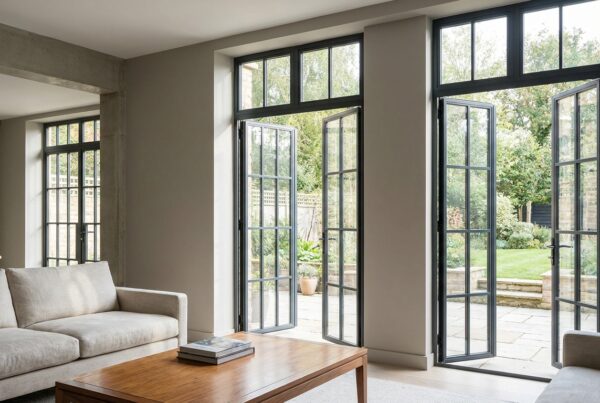
Steel’s main design strength is its very slim sightlines. Because steel is so strong, frames can be extremely narrow, which is why the industrial, heritage look is popular in loft-style and farmhouse renovations.
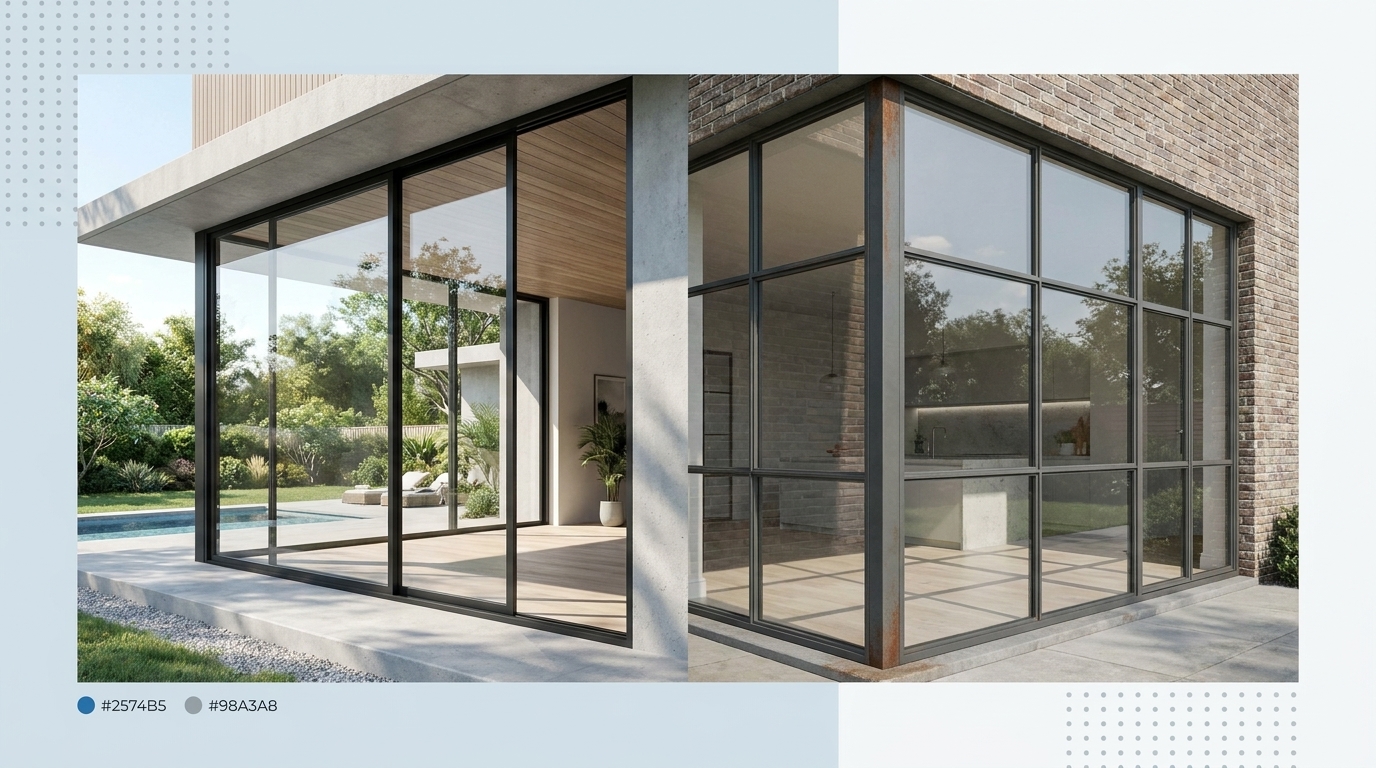
Aluminium profiles are slightly wider, but modern systems are still slim and allow large glass panels, corner windows and floor-to-ceiling glazing. Aluminium also comes in a wider range of:
- Styles: sliding, casement, top-hung, turn-and-tilt, fixed and more
- Colours: charcoal, bronze, black, white, natural and custom powder-coat colours
- Configurations: from single windows to full walls of glass
If you love the look of old steel windows, aluminium can recreate it. Slim black frames with cottage panes give a classic, industrial feel without the rust. Browse our types of aluminium windows and colours and styles guides for inspiration.
Weight and installation
Steel is much heavier than aluminium. Large steel windows need more structural support and more labour to handle and install. Aluminium’s lighter weight makes it easier to install and allows larger openings without putting extra load on lintels and walls.
Lifespan and sustainability
A well-maintained steel window can last a very long time, but “well maintained” is the key phrase. Neglected steel windows can deteriorate within a decade or two.
Quality aluminium windows typically last 30 years or more with very little upkeep. Aluminium is also fully recyclable, and recycling it takes only a small fraction of the energy needed to produce new aluminium. That makes it a good choice for green building projects.
Replacing steel windows with aluminium: what to expect
In many older South African homes, steel window frames were built directly into the brickwork. Replacing them usually involves:
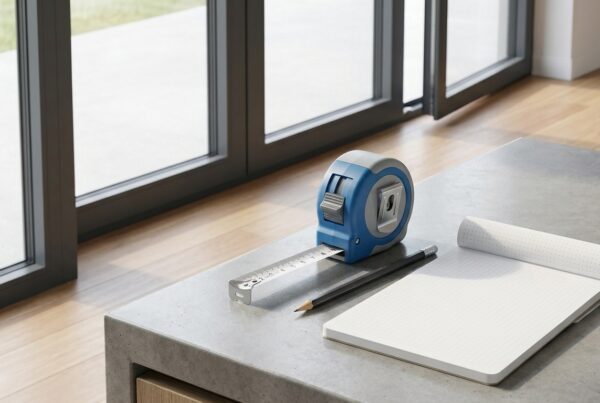
- Measuring and quoting. Openings are measured on site, since older homes rarely match modern standard window sizes.
- Removing the steel frames. Frames are cut out, which can disturb surrounding plaster.
- Fitting the aluminium windows. New frames are installed, levelled and sealed.
- Making good. Plaster, sills and paint around the opening are repaired and finished.
Plan for some patching and repainting around each opening. A good installer will explain this upfront. Read our aluminium window installation guide for more.
Which should you choose?
Choose aluminium if you want low maintenance, good energy efficiency, a wide choice of styles and colours, and strong long-term value. For most South African homes, especially at the coast or in areas with heavy summer rain, aluminium is the practical choice.
Choose steel if you’re restoring a heritage property where original materials matter, or you want the slimmest possible industrial sightlines and are prepared to budget for premium frames and ongoing upkeep.
Frequently asked questions
Are aluminium windows cheaper than steel windows?
Basic steel windows can be cheaper upfront, but aluminium usually costs less over its lifetime because it needs no painting or rust treatment. Premium slimline steel is generally more expensive than aluminium.
Do aluminium windows rust?
No. Aluminium doesn’t rust, although it can oxidise in harsh coastal conditions if left unprotected. A quality powder-coated or anodised finish prevents this.
Are steel windows more secure than aluminium?
Steel frames are stronger, but overall security depends on locks, glass and installation. Aluminium windows with multi-point locks, laminated glass and burglar bars offer excellent security.
Can I replace steel windows with aluminium without damaging my walls?
Some plaster disturbance is normal because steel frames are often built into the brickwork. A professional installer will remove the old frames carefully and make good around the openings.
Can aluminium windows look like steel windows?
Yes. Slim black aluminium frames with cottage panes closely recreate the classic steel-window look, without the maintenance.
Upgrade your steel windows with Inso
Inso has been manufacturing and installing aluminium windows and doors in South Africa for years, with branches in Johannesburg, Randburg, Germiston and Durban. Whether you’re replacing rusting steel frames or planning a new build, our team can help you choose the right windows for your home and budget.